


Trade
U.S. Steel and Aluminum Tariffs Have Pushed Metal Prices Sharply Higher — With Little to Show in Output, Study Finds
Oct 23, 2026 · Brynick Newsroom, Ningbo
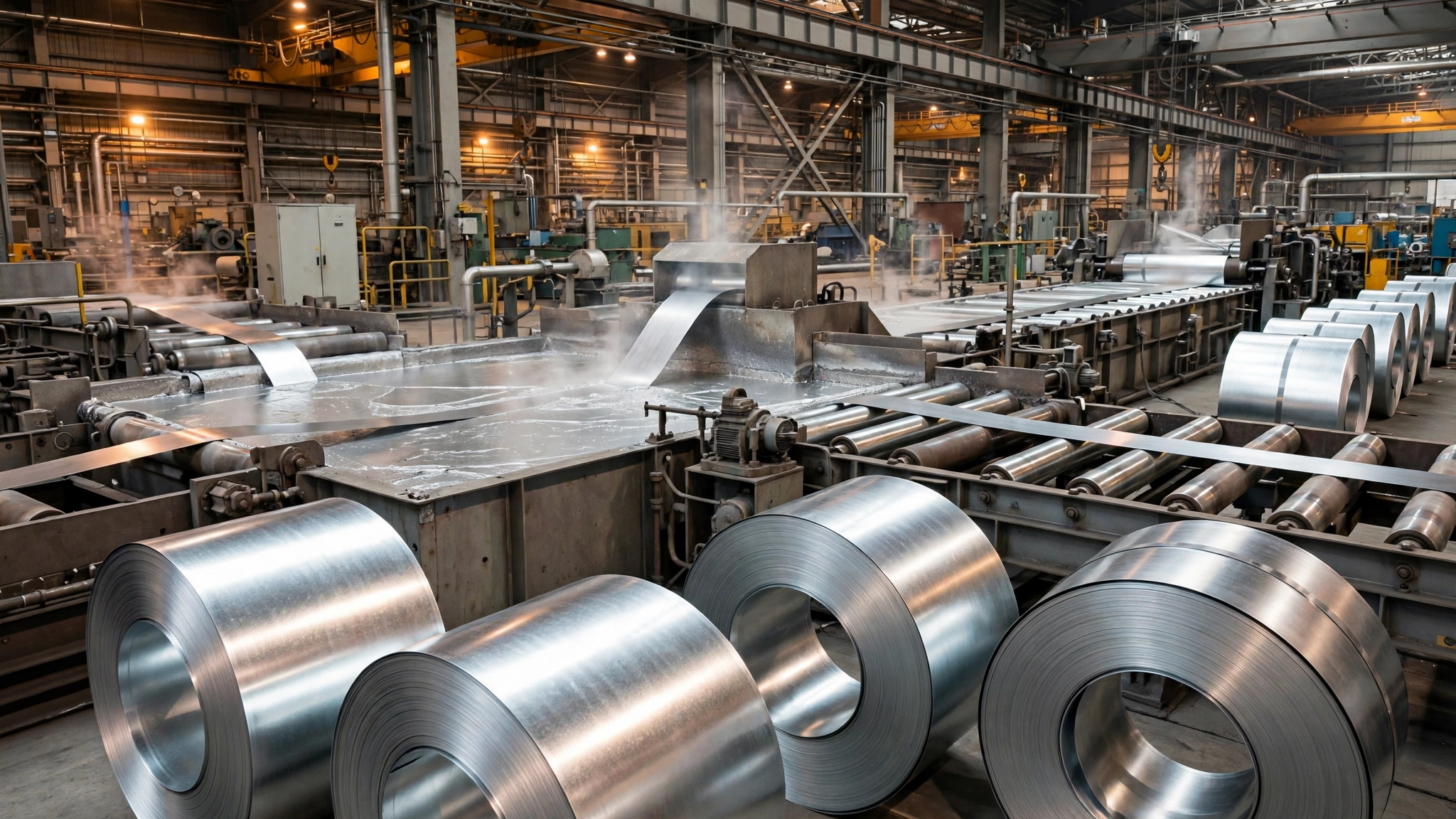
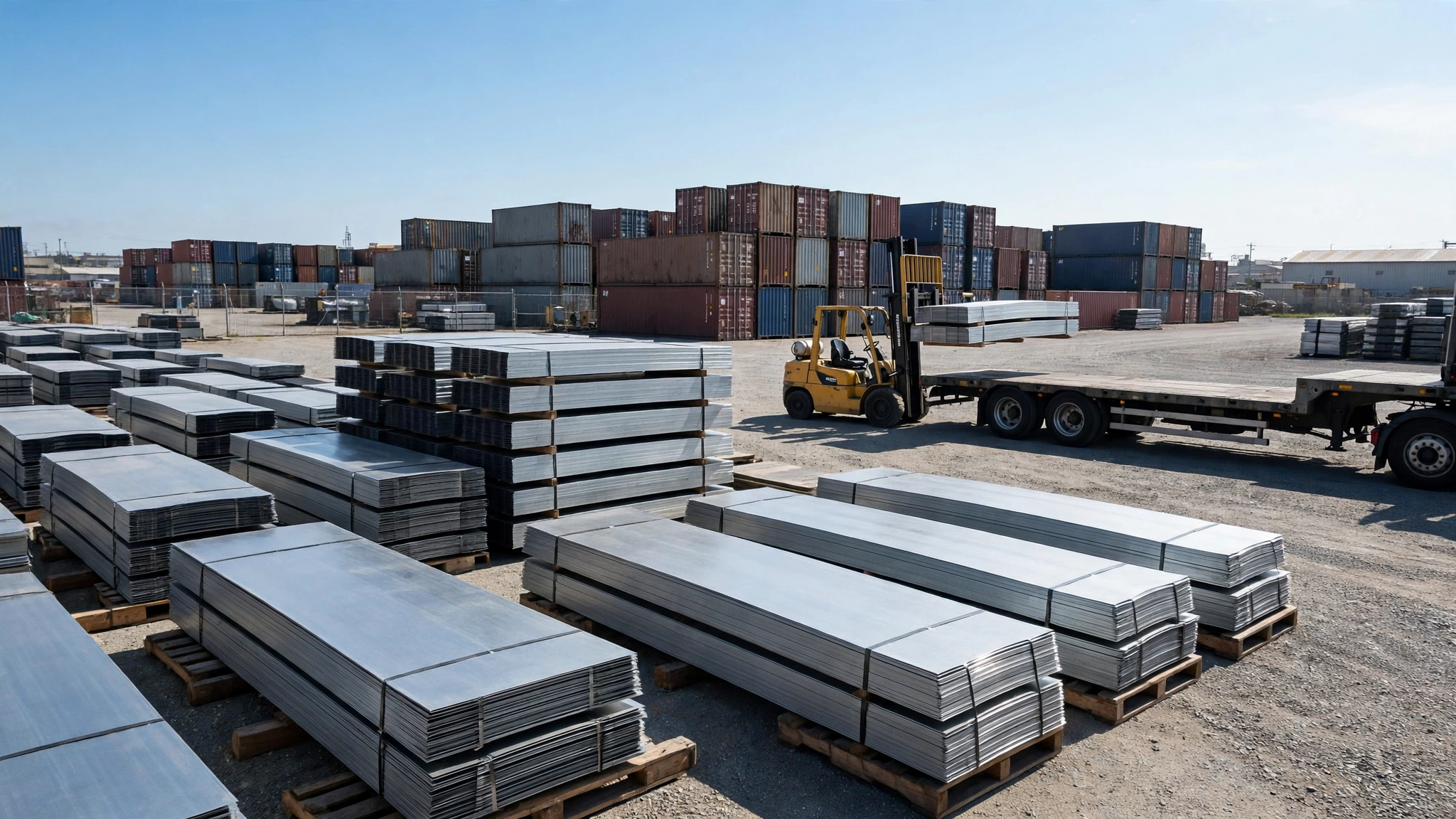
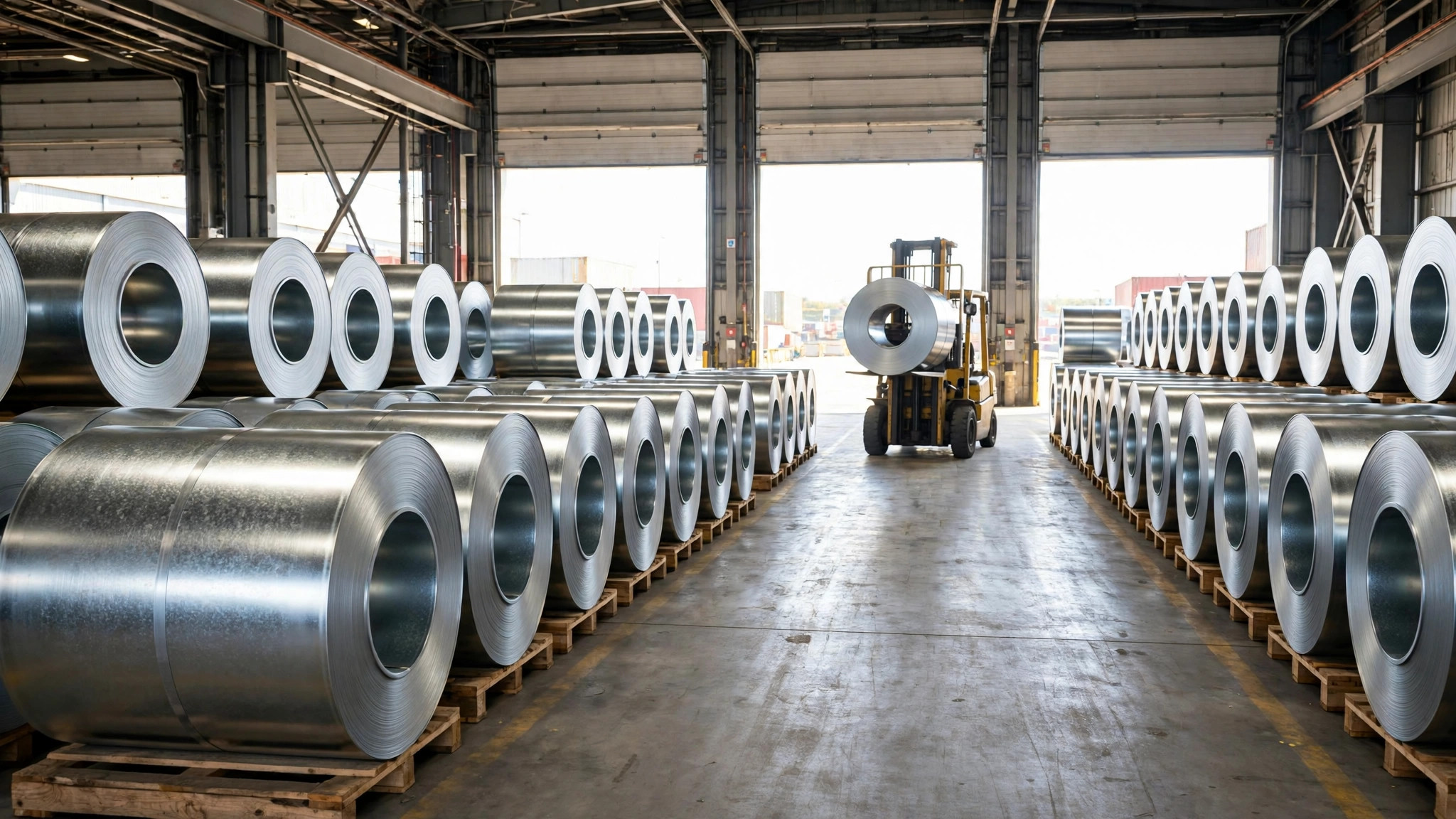
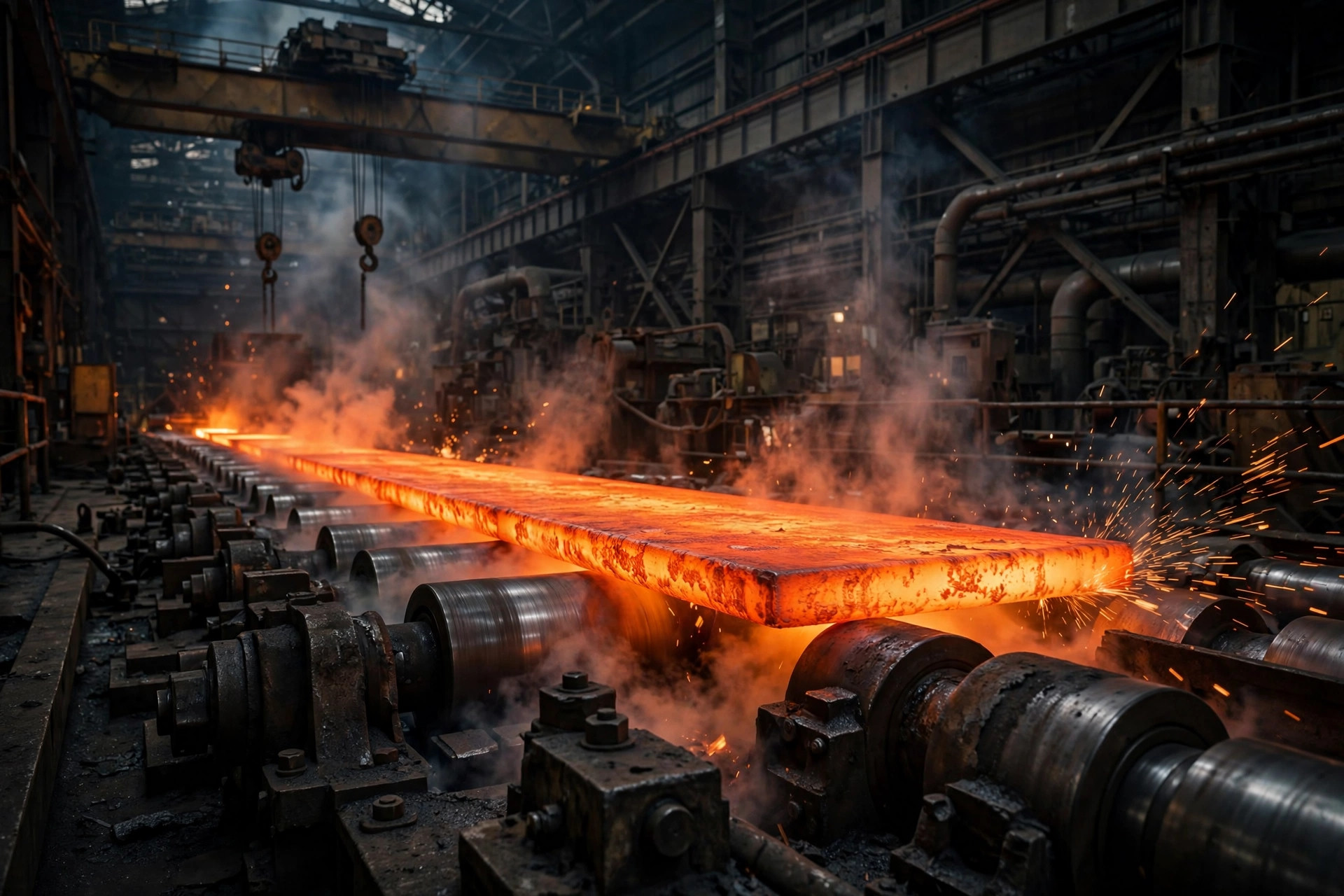
A new Economic Note from the Montreal Economic Institute (MEI), published October 22, 2026, concludes that the 50-percent U.S. tariffs on steel and aluminum have sharply increased prices for American manufacturers without delivering meaningful gains in domestic production or employment. President Trump first imposed 25-percent tariffs on steel and aluminum under Section 232 of the Trade Expansion Act of 1962 in March 2025, then raised them to 50 percent a few months later. Since February 2025, the U.S. producer price index for steel mill products has risen 33.9 percent, while the index for aluminum mill shapes has climbed 58.0 percent. "All that the tariffs have accomplished since being put in place is to raise prices for U.S. manufacturing companies that need steel and aluminum," said Joseph Steinberg, a University of Toronto economics professor and MEI Senior Fellow.
The contrast with Canada, where the MEI says prices for the same two product categories rose by only 1 percent and 26 percent respectively between December 2024 and June 2026, suggests a tariff effect of more than 30 percentage points on U.S. prices — though the researchers caution these are not formal estimates. Nor did the protection translate into proportional industrial gains: U.S. steel production rose 7.6 percent and steel employment 0.7 percent, while aluminum production actually fell 0.1 percent and employment in aluminum and other nonferrous metals rose just 0.6 percent. The heavier burden falls downstream. Fabricated-metal manufacturers require about 31 cents of steel and aluminum for each dollar of output (about 16 cents for automakers), and the MEI estimates that full pass-through of the metals-price shock would raise production costs by 13 percent for fabricated metals and 6.5 percent for automakers. The tariff period also coincided with a loss of 60,000 U.S. manufacturing jobs between February 2025 and July 2026, a relationship the MEI describes as small and not statistically significant.
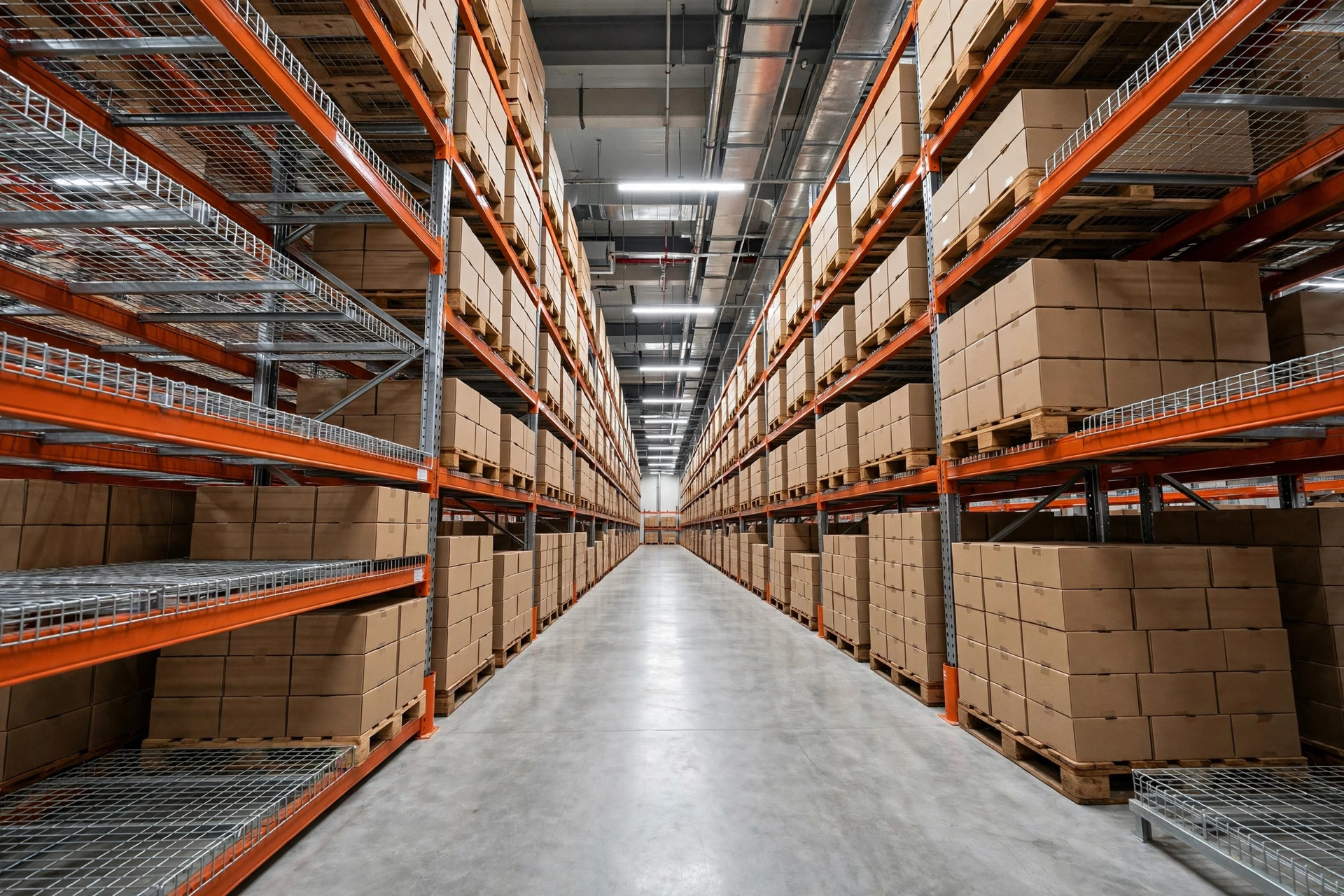
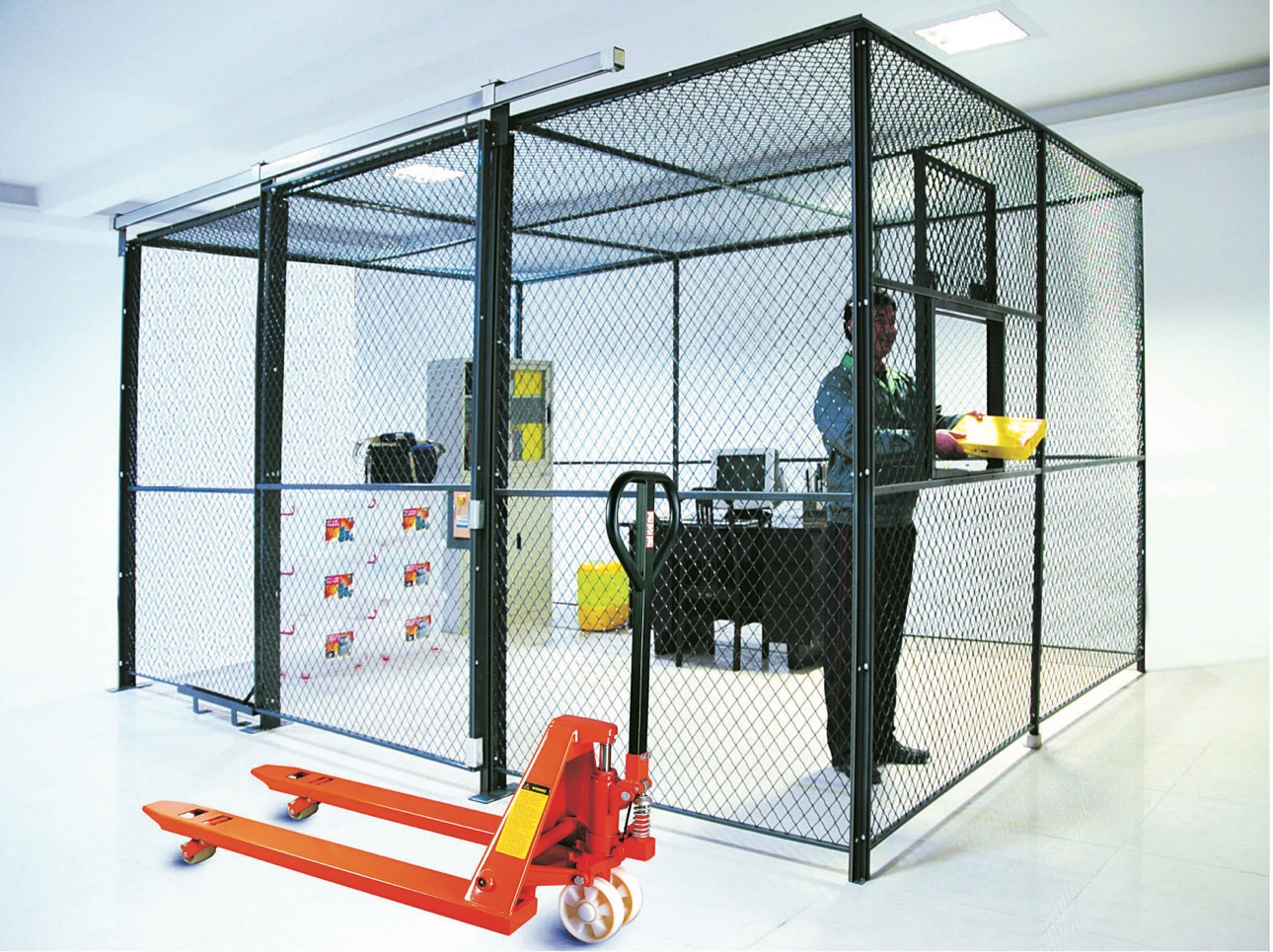
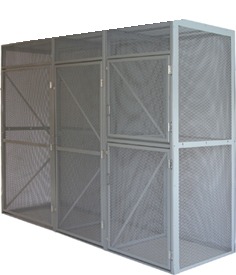
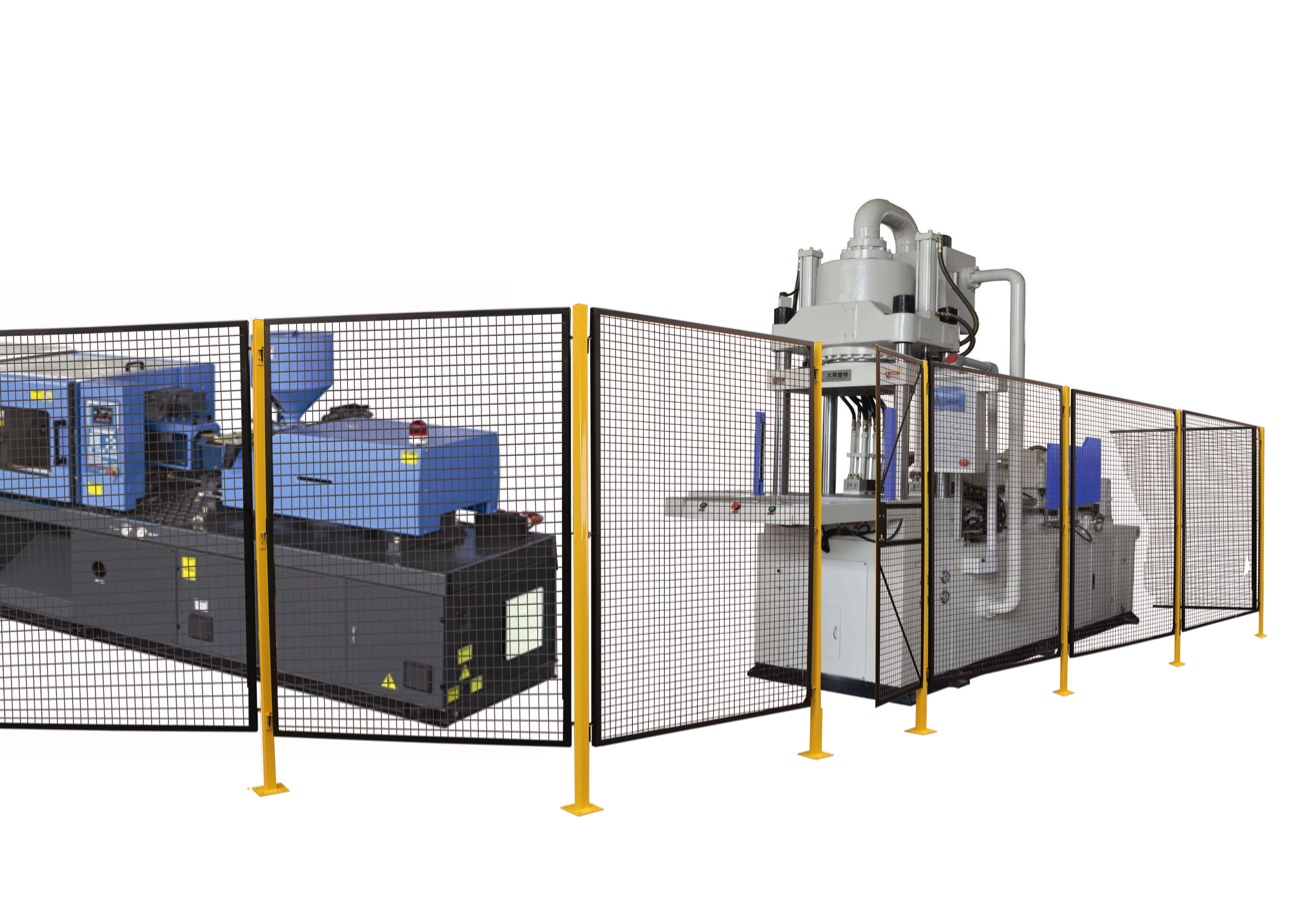
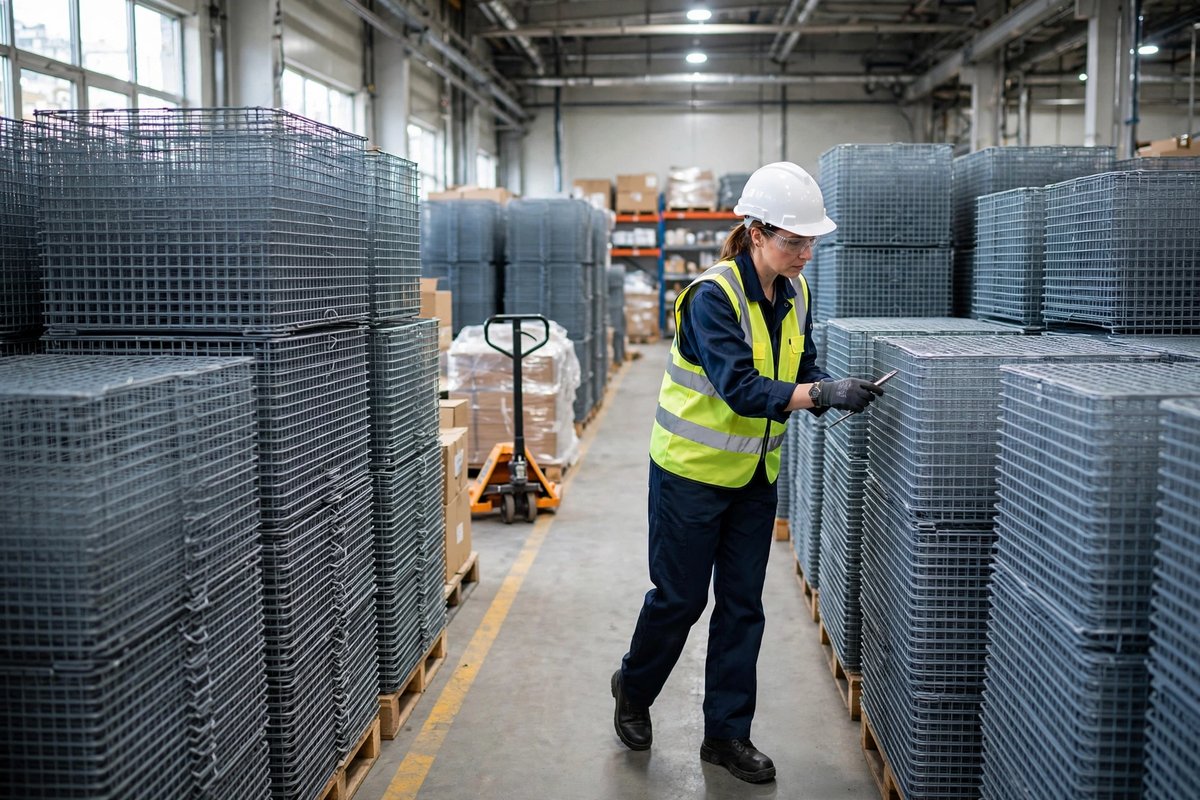
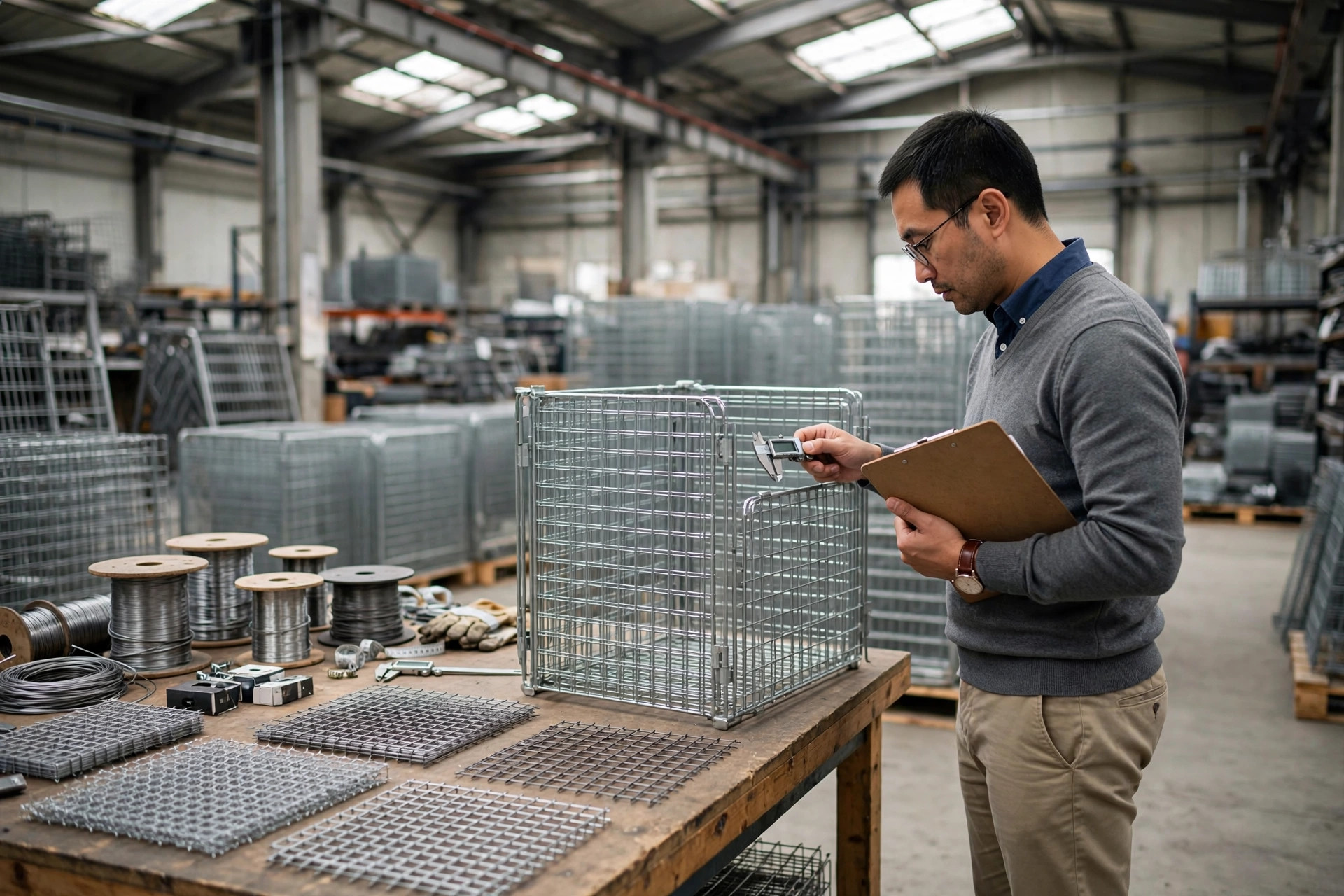
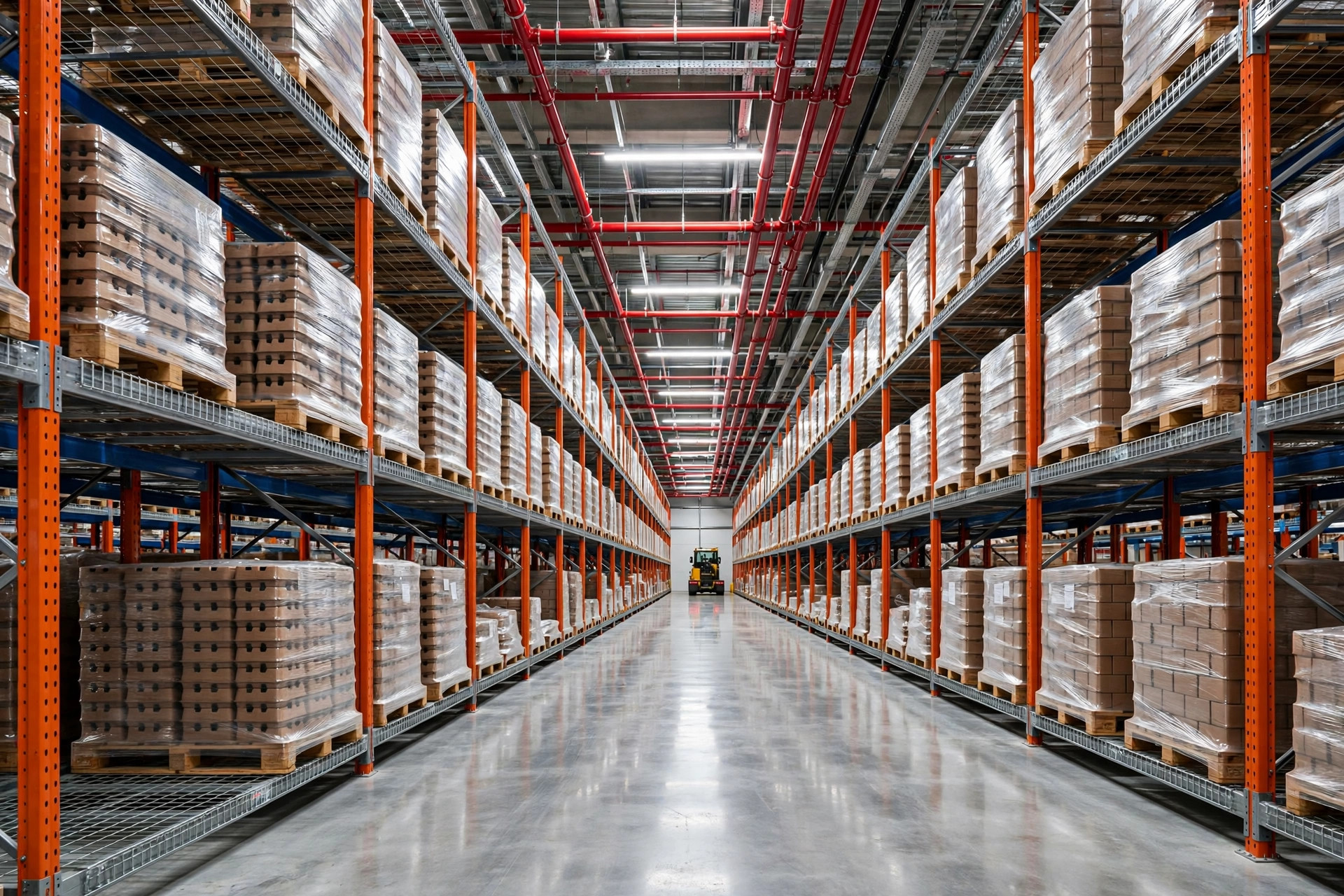
For overseas buyers and suppliers of steel-intensive products — including wire partitions, wire containers, wire decking, and warehouse storage equipment — the findings matter. Higher domestic metal costs in the United States change the economics for every purchaser of fabricated metal goods, while the note's account of the earlier 2018 tariff round (downstream production down $3.5 billion in 2021, against $2.25 billion of gains in steel and aluminum output) suggests tariff uncertainty itself weighs on investment decisions. The MEI argues the faster route to more U.S. metal output is restarting idled capacity and clearing permitting barriers for announced projects, rather than ever-higher duties. One caveat: the precise duty treatment of specific wire-product categories under the Section 232 derivative lists is not covered by this study — buyers should confirm current classifications with their customs brokers before placing orders.
Source: Montreal Economic Institute (MEI) Economic Note, published October 22, 2026 (reported via GlobeNewswire).
Sourcing this category?
Get factory-direct pricing from Brynick.