



Trade
EU Steel Import Quotas Under Fire: What Metal Exporters Should Watch
Oct 17, 2026 · Brynick Newsroom, Ningbo
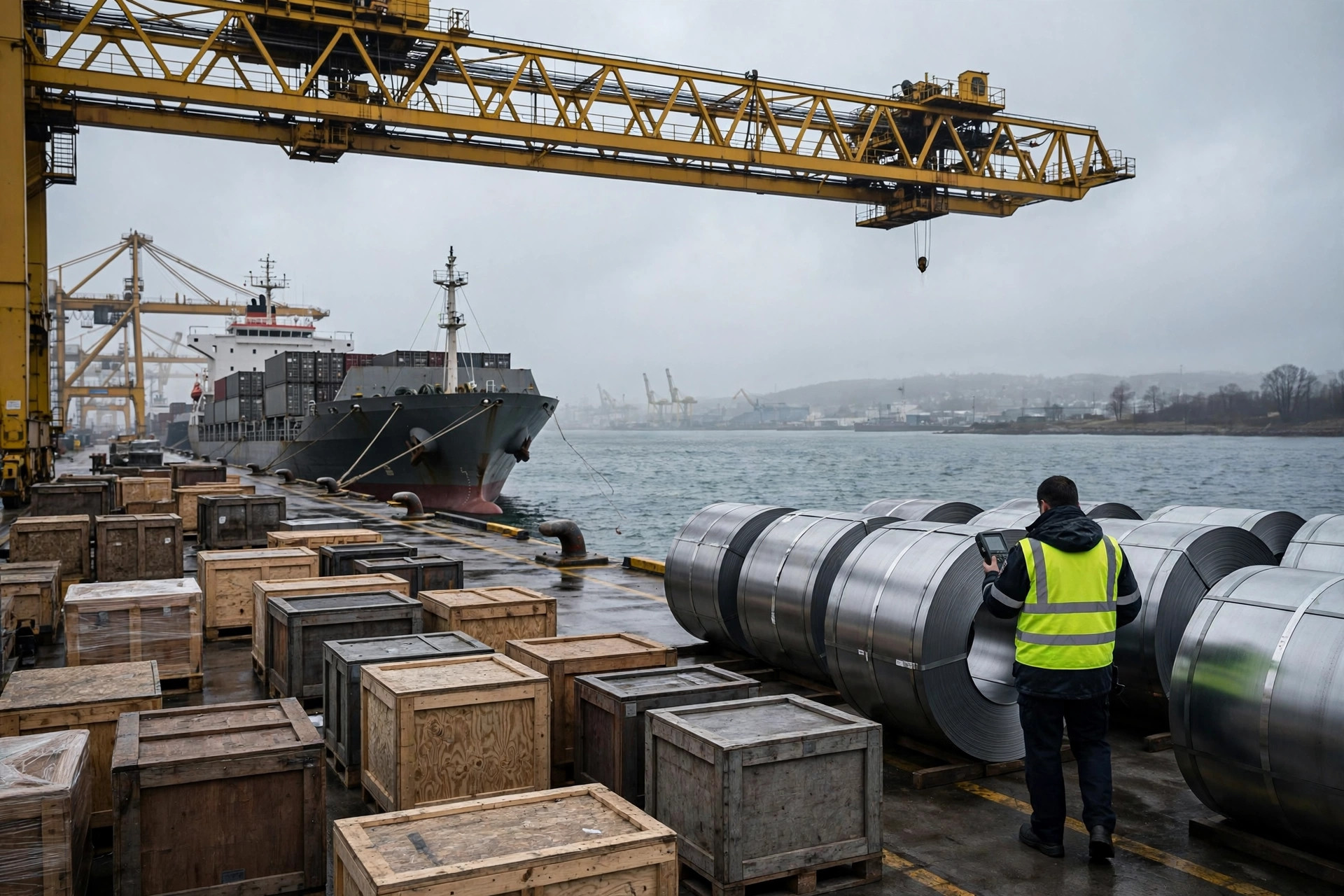
The European Union's new steel import regime is facing pushback from traders and smaller businesses, a development worth watching for metal product exporters serving the European market.
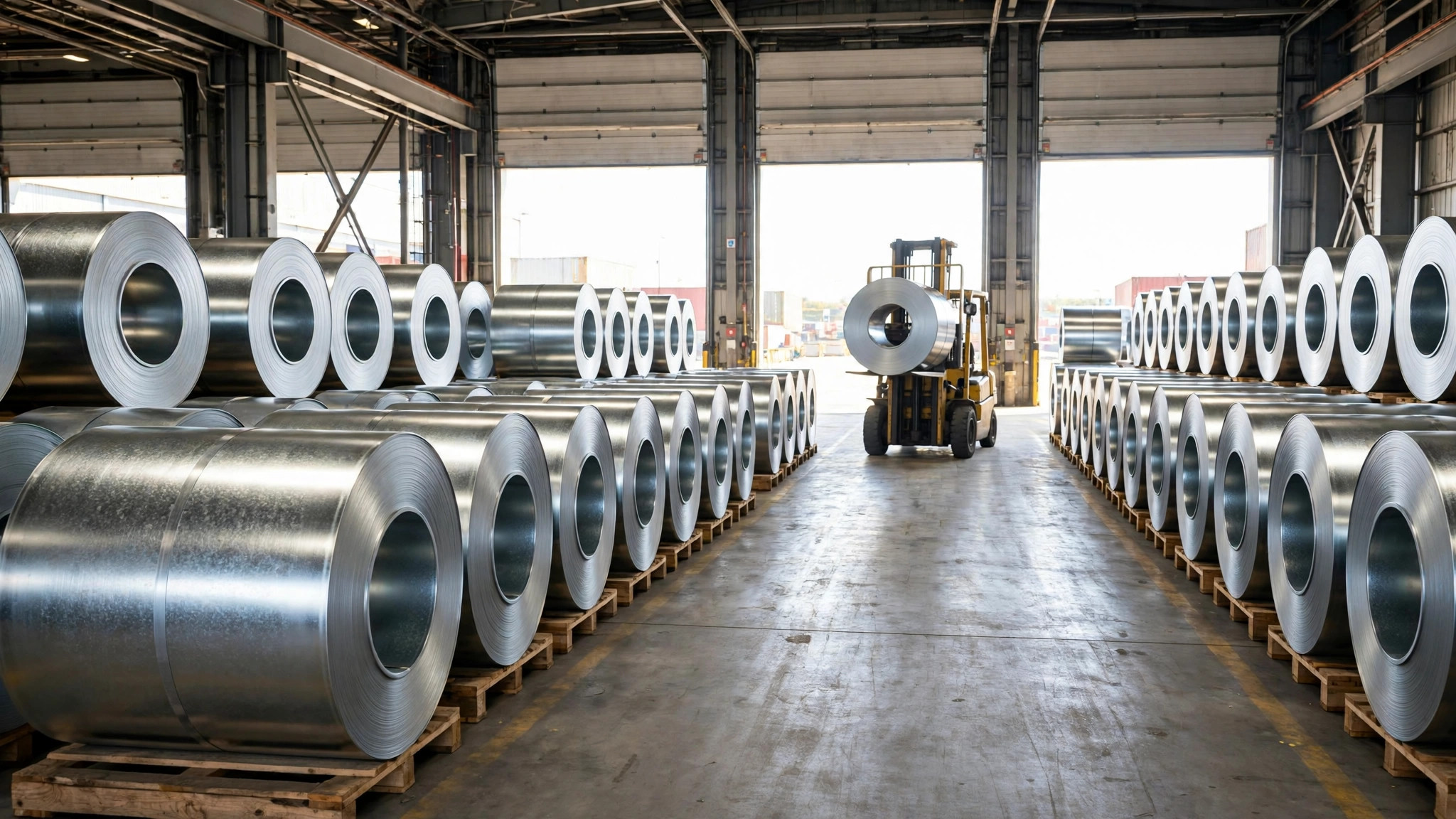
The EU's Steel Regulation 2026/1384, in force since July 1, sets duty-free import quotas totaling 18.3 million tonnes, with a 50 percent tariff applied to imports exceeding those quotas. The measures are designed to shield European producers from global overcapacity, but a recent European Commission consultation — which ran from September 28 to October 11 — has drawn criticism for giving importers and distributors too little say in how the rules are shaped.
German steel firm Gerber Steel argues the consultation period was too short for a thorough assessment and that the questionnaire was aimed mainly at producers, leaving importers and smaller distributors unable to answer key questions. Forty-four European industry associations, meanwhile, are calling for even stronger trade defence measures — a sign that protectionist pressure may intensify rather than ease.
For exporters, two practical concerns stand out. First, the requirement to document the country where steel was originally melted and cast adds administrative cost and complexity to every shipment. Second, smaller companies fear the system structurally favors large producers over import-dependent businesses, potentially raising landed costs for downstream buyers of wire products, racking components, and fabricated steel goods.
The backdrop is a broader tightening of steel trade policy worldwide. In the United States, Section 232 duties on steel and aluminum articles remain at a default rate of 50 percent under 2026 proclamations, with antidumping and countervailing duties applied on top. India, the UK, and South Africa have all moved on new safeguard or anti-dumping measures in recent weeks.
For buyers planning 2027 procurement, the message is to factor quota availability and origin documentation into sourcing timelines early — and for exporters, to keep compliance paperwork tight as enforcement ramps up.
Sources: Dagens Næringsliv (Oct 15, 2026); IOR USA Section 232 guide (2026); EU Steel Regulation 2026/1384.
Sourcing this category?
Get factory-direct pricing from Brynick.